Why Infidelity Feels More Common in Gay & Queer Relationships (And What Actually Heals It)
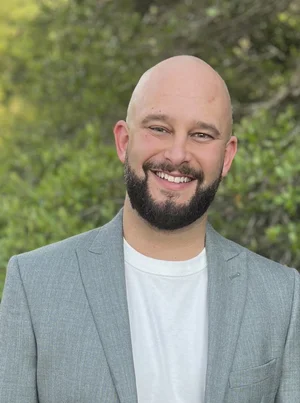
By Josh Davis, LHMC - Complex Trauma & Relationship Therapist
If you've ever wondered why cheating feels common in gay and queer relationships? You wouldn't be the first! I honestly don't know the stats on it, but I hear this question a lot from my clients. You might have lived it, feared it, or watched it play out in a friend's relationship. As a relationship therapist who works with gay and queer men, I want to offer you insight and a different perspective than what you might hear from friends or social media.
What I actually see in the therapy room is this: infidelity in queer relationships often isn't primarily about sex, or even about desire. It stems from attachment wounds and complex trauma.
Cheating Is Rarely About the Other Person
I'll also say this clearly: ethical non-monogamy is not the same conversation as infidelity. Plenty of queer relationships thrive with consensually negotiated structures that have nothing to do with betrayal or secrecy. The through-line I'm describing here isn't about relationship structure. It's about what happens when connection outside a relationship is unspoken, unagreed-upon, and driven by old wounds rather than honest choice.
The person who gets cheated on often asks, "What was it about me?" Sometimes cheating comes from a need that isn't being met in the relationship, but often it's deeper than that. When someone has an affair, or keeps cheating on their partner, they're usually met with judgment or strong opinions, which keeps them in shame and hiding. When they come into the therapy room, I want to be curious about what the affair was actually doing for them. Almost always, it wasn't primarily about attraction to someone new. It was about:
Feeling seen in a moment, even briefly Escaping a body and nervous system that's been braced for rejection for years Getting a hit of validation that quiets an old, chronic sense of not being enough Regaining a sense of control after years of feeling powerless
None of that excuses the harm caused. But it does explain what's happening. So many people who've been cheated on think it's about them. Usually, it's not.
Growing Up Different Teaches the Body to Disconnect
Most gay and queer men didn't get to have a childhood where their full self was safe to show up in. Many of us learned early, long before we had language for our sexuality or gender, that authenticity was a risk. So we found ways to survive by minimizing our authenticity. We got skilled at reading rooms, managing how much of ourselves to reveal, and finding ways to get our needs met indirectly, because meeting them directly felt dangerous. We had to hide and blend in.
That's complex trauma, babe. It's not one big event, but a thousand small moments of having to abandon yourself to stay connected to caregivers or a community. In the NeuroAffective Relational Model (NARM), we call these behaviors and strategies adaptive survival styles, and they don't disappear just because you grew up, came out, and found a partner who loves you. They keep showing up, both within yourself and inside the relationship, sometimes as secrecy you don't even recognize as secrecy. It can look like self-abandonment, or like seeking connection outside your primary relationship because those channels feel more familiar, and paradoxically safer, than full transparency with someone who actually matters. Because we learned that being vulnerable, that sharing what we like or want, is a threat. That love is conditional, so we don't let ourselves be real for fear of losing the love we have.
Attachment Wounds Don't Care Who You Love
Attachment theory isn't a straight or queer framework, it's about humans being human. But queer people often enter adult relationships with attachment systems shaped by rejection, conditional love, or the felt sense that closeness eventually leads to loss.
That can look like:
Anxious attachment, where connection outside the relationship becomes a way to manage the terror of not being enough for one person Avoidant attachment, where infidelity creates distance and protects against the vulnerability of being fully known Disorganized attachment, where a person genuinely wants closeness and is simultaneously terrified of it, so they sabotage the relationship before it can "prove" what they already fear is true
A lot of people use these labels to categorize each other, which doesn't actually help anyone connect. Most of us don't have a fully secure attachment, so let's get off the high horse. It's not good or bad, it's just the way your nervous system made sense of the world. Attachment styles also change. When you do the work, within yourself and in your relationship, they can become more secure. The problem is when old patterns surface and get applied to relationships where they're no longer needed, and often no longer wanted.
Why Does Cheating Happen in Gay Relationships?
Here's the piece I think gets missed. Underneath the survival strategies and the attachment styles is shame. And shame doesn't just make people feel bad, it makes people hide. Infidelity, at its core, usually involves hiding: a secret self, a secret need, a secret longing that never felt safe to bring into the light of an actual relationship.
For a lot of gay and queer men, shame was the water we grew up swimming in, whether it came from religion, family, or a culture that made our desire feel dirty or dangerous long before it ever felt joyful. That kind of shame doesn't just evaporate once you're out, and it usually gets triggered right when you're getting closer to the life or relationship you actually want. It has to be actively dissolved. Until it is, it often finds expression in exactly the behaviors that reinforce it, creating a painful loop of secrecy, self-judgment, and disconnection.
What Healing From Infidelity Actually Looks Like
This isn't about pointing at trauma and calling it a day. It's about recognizing that behavior change without addressing the underlying attachment and shame patterns tends not to last. In my work with clients, healing usually involves:
Building enough safety in the body to tolerate real intimacy instead of managed distance Learning to identify needs and voice them directly, instead of meeting them covertly Untangling inherited shame from present-day worth Developing a relationship, with a partner or with yourself if you're single, where authenticity doesn't have to be earned or hidden
If any of this resonates, whether you're the one who's strayed, the one who's been hurt, or you're just trying to understand a pattern that keeps repeating, this is exactly the kind of work I do with individuals and couples. You don't have to keep reenacting old survival strategies in relationships that are actually safe enough for something different.
I offer individual and couples therapy for gay and queer men in Fort Lauderdale, with telehealth available across Florida, Vermont, and Delaware. If you're ready to understand your patterns instead of just fighting them, reach out to schedule a consultation.
Frequently Asked Questions:
Is cheating actually more common in gay relationships? There's no solid evidence that infidelity happens more often in gay relationships than straight ones, but the conditions that drive it, like complex trauma, attachment wounds, and inherited shame, are often more concentrated in gay and queer men's histories. That's the pattern I focus on in therapy.
Is an open relationship the same thing as cheating? No. Ethical non-monogamy is a consensual, agreed-upon relationship structure. Infidelity involves secrecy and broken agreements. The difference isn't about how many people are involved, it's about honesty.
Can a relationship survive infidelity? Often, yes, but not by "getting past it" through willpower alone. Lasting repair usually requires understanding the attachment and trauma patterns underneath the affair, for both partners, not just enforcing new rules.
Ready to stop repeating the pattern?
Whether you're the one who strayed, the one who got hurt, or you're just tired of watching the same story play out in every relationship, you don't have to keep white-knuckling your way through it alone. I offer individual and couples therapy for gay and queer men in Fort Lauderdale, with telehealth across Florida, Vermont, and Delaware. Schedule a free consultation call and let's figure out what's actually underneath this.