Why is NARM Different Than Other Therapies?
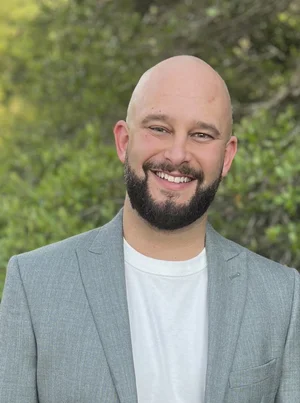
by Josh Davis, LMHC: NARM therapy for gay & queer men in Fort Lauderdale, Wilton Manors, and across Florida, Vermont & Delaware
You've been to therapy before. You've got coping skills, you know how to challenge thoughts, name the patterns, explain exactly where they come from. And yet something still feels unsettled. You keep doing the thing you understand perfectly well and don't want to keep doing.
That gap is what led me to NARM, the NeuroAffective Relational Model. Developed by Dr. Laurence Heller, NARM works with complex and developmental trauma, the slower, cumulative kind that comes from disrupted attachment, emotional neglect, or having to manage someone else's needs instead of having your own met.
Here's what makes it different. Most therapy is organized around the story: what happened, when, and how it shaped you. NARM treats the story as context, but it isn't the main focus. Instead, it works with what's happening in the here and now: your breath, your posture, the subtle contraction the moment something vulnerable surfaces. In NARM, we look for the "cracks" in the strategies that keep you stuck. That's where the real shift happens, not in retelling the story again.
NARM is especially useful for shame. Shame isn't something you can think your way out of. Rather than treating it as just an emotion, NARM views shame as a process, a mechanism. The contraction of shame is pre-emptive self-protection, which means talking about it can sometimes make it louder. Working with it in real time tends to get further than analyzing it after the fact.
NARM is the primary framework I use in my practice, especially with clients navigating complex trauma, relational patterns, and chronic shame. What makes it powerful is that it's an invitation, not just to unpack what happened, but to actually reconnect with yourself and others. If any of this resonates, I'd love to talk.
If you or someone you know, who has done the insight work but still feels stuck, send them my way. I love helping people navigate the messiness of relationships, attachment, vulnerability, and intimacy, not just by understanding it, but by actually feeling their way through it, in a way that's compassionate, relational, and deeply human.